

Key takeaways
- Garden cart or dump cart: A better choice for soil and yard waste than a fabric wagon.
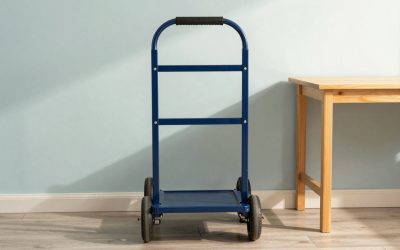
- Folding hand truck: Compact for boxes and stairs, but not for passengers or soft ground.
- Beach cart with balloon wheels: Purpose-built for sand and often lighter than a general wagon.
For most households, a heavy-duty folding utility wagon in the Mac Sports mold is the practical pick for beach, sports and market days, a Radio Flyer folding wagon with a canopy suits families who want something lighter and simpler, and a premium stroller wagon such as Wonderfold suits parents who mainly carry children. Capacity, fold size and wheel type decide which of these fits, so this guide compares them by those traits rather than by marketing names.
Our top picks


As an Amazon Associate we earn from qualifying purchases at no extra cost to you.
At a Glance: Portable Wagon Options
The figures below are those cited by 2026 roundups and the makers’ listings. Many roundups are affiliate-style and repeat each other, so treat rankings cautiously and confirm specs on the product label.
| Model / type | Best for | Stated specs | Limits |
|---|---|---|---|
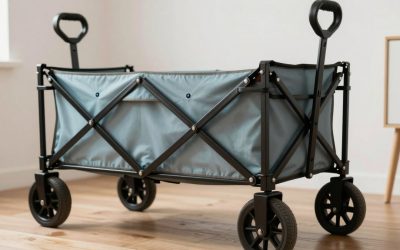
| Mac Sports Heavy Duty folding wagon | Sand, mud, sports sidelines, general hauling | 150 lb capacity, 600D polyester fabric, folds to about 8 inches thick (roundups) | Reviewers report the handle can feel flimsy on sharp turns under full load; 150 lb ceiling |
| Radio Flyer 3-in-1 EZ-Fold with canopy | Families with young children, light cargo | About 3.2 cu. ft. of compartment volume, canopy included (Your Best Digs table) | Lighter build than heavy-duty utility models |
| Wonderfold (W2, W4, X2, X4 families) | Parents carrying two to four children | Multi-seat stroller-wagon design with harnesses (maker line-up) | Premium tier; heavy and bulky when folded |
| Sekey 48-inch extended wagon | Very large loads | Roundups cite roughly 660 lb capacity | Large footprint and weight |
| Hikenture folding wagon | Camping and gear with a parking brake | About 330 lb capacity, built-in brake, roughly 5.3 cu. ft. cargo area (roundups) | Bulkier fold than lighter models |
What a Portable Wagon Actually Needs to Do
A wagon earns its place by solving one of three problems: hauling cargo across sand, gravel or grass; carrying small children without a stroller; or keeping a market, sports or camping setup in one load. Each job stresses different parts. Cargo hauling tests the frame and wheels, child carrying tests seats, harnesses and canopy, and camping tests capacity, brakes and fold size. Decide which job comes first and the shortlist shrinks quickly.
Capacity and Frame
Stated capacity is the maker’s figure, and it is a ceiling for a smooth surface, not a promise for rough ground. A 150 lb rated wagon will carry a cooler, chairs, an umbrella and a couple of bags without trouble, but a child plus a loaded cooler may exceed it. Larger wagons with ratings of 300 lb or more use thicker steel frames and bigger beds, at the cost of weight. Reviewers of the Mac Sports model commonly point to the 150 lb figure as its main trade-off, and note that a tight turn radius and easy handling are what keep it popular.
Watch the handle. A folding handle is a stress point because it pivots and locks. Reviewers mention flexing in some folding handles when the wagon is full and turned sharply. A handle that locks upright and does not rattle is a good sign, and a telescoping or two-position handle helps adults of different heights.
Wheels: Plastic, Rubber and Air-Filled
Wheels matter most on soft ground. Narrow hard plastic wheels roll well on pavement and sink into sand. Wide, ribbed or all-terrain wheels spread weight and float better over beach sand and wet grass. Some wagons use air-filled tires, which smooth the ride and absorb bumps but can puncture. Reviewers who rate wagons for mud and sand tend to favor wider wheels and a low bed that keeps the center of gravity down.
If you only roll on paved paths, parks and sidewalks, standard wheels are enough and keep price down. If you head to the beach, check that the wheel width and tread are designed for soft surfaces.
Fold Size, Weight and Carrying
Portable means little if the folded wagon will not fit your trunk. Roundups cite a fold depth of around 8 inches for the Mac Sports design, and a 2.42 cubic foot folded volume for the Radio Flyer 3-in-1 model. Compare those to your cargo space, remembering that the handle often folds separately. Weight matters as well: an extended 48-inch wagon with a large capacity is far heavier than a basic folding wagon and may be awkward to lift into a car.
Fabric beds should be water-resistant polyester or similar, with reinforced seams and a removable or wipe-clean surface. Hard-shell beds are easier to rinse but fold less compactly.
Child Use, Canopies and Safety
If children ride in the wagon, safety features matter more than capacity. Look for a seat or bench with a harness or seat belts, a low entry, a canopy for sun and a parking brake. Wonderfold positions its range as stroller wagons, with multi-seat layouts, which is a different product from a basic utility wagon. Do not carry a child in a wagon that has no restraint system. Follow the maker’s age and weight guidance, never leave children unattended in or near a wagon, and avoid slopes or traffic. Utility wagons are generally designed for cargo, and some makers specifically do not rate them for passengers, so read the manual before putting a child in.
Budget Tiers
Budget
Basic folding wagons suit occasional use such as a trip to the park. Expect lighter fabric, narrower wheels and lower capacity. They are fine for light duty but may show wear at the handle and frame joints.
Mid-range
This is where the Mac Sports Heavy Duty style and the Radio Flyer folding wagons sit. Several roundups call this tier the sweet spot for most buyers, balancing capacity, durability and fold size.
Premium
Premium wagons are mainly stroller wagons like Wonderfold, with multi-seat designs, harnesses, bigger canopies and stronger frames. They cost more because they replace a stroller or double stroller, not just a hauling wagon.
Pick X If… Decision Table
| Pick this | If you… | Trade-off |
|---|---|---|
| Mac Sports Heavy Duty style | Haul coolers, chairs and gear to the beach or the field | 150 lb ceiling, handle feel under load |
| Radio Flyer 3-in-1 with canopy | Want a simple, lighter wagon for kids and light cargo | Not as heavy-duty |
| Wonderfold stroller wagon | Replace a stroller for two to four children | Premium tier, bulky fold |
| Hikenture-style with brake | Camp on slopes or want a parking brake | Larger fold |
| Sekey 48-inch extended | Carry very long or heavy loads | Weight and size |
Care and Maintenance
Rinse sand and salt off the frame and wheels after beach trips, let the fabric dry fully before folding to avoid mildew, and wipe the folding joints dry. Lubricate pivots lightly if the maker allows. Store the wagon folded in a dry place, avoid leaving it in a hot car for long periods because heat can weaken fabrics and plastics, and do not exceed the stated capacity.
Buying Checklist
Start with the job: a market run needs a small, light fold, while a camping trip needs capacity and a brake. Compare the stated bed dimensions, not just the capacity, because a tall cooler or a long chair bag may not fit a shallow bed. Look for a wagon with a cargo cover or a cup holder only if you will actually use them, as extras add weight. Read the warranty and the replacement parts policy, since wheels, axles and handle locks are the usual failure points. Test the fold at home as soon as it arrives so you can return it if the latch is stiff or the frame feels loose. Finally, plan how you will lift it: a wagon that is easy to roll but awkward to put in a car may stay at home.
Alternatives
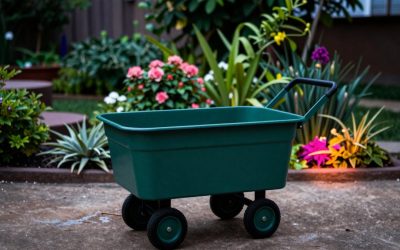
- Garden cart or dump cart: A better choice for soil and yard waste than a fabric wagon.
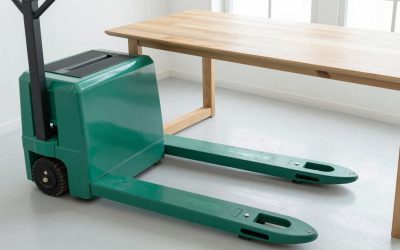
- Folding hand truck: Compact for boxes and stairs, but not for passengers or soft ground.
- Beach cart with balloon wheels: Purpose-built for sand and often lighter than a general wagon.
Frequently Asked Questions
What is the best portable wagon for the beach?
A wagon with wide wheels and a low bed handles sand best. Roundups that test sand and mud performance rate the Mac Sports Heavy Duty style highly, though dedicated beach carts with balloon wheels roll more easily on very soft sand.
How much weight can a folding wagon hold?
It depends on the model. Roundups cite 150 lb for a popular heavy-duty folding wagon and several hundred pounds for larger frames. Use the maker’s rating and allow a margin on rough ground.
Can I put my child in a utility wagon?
Only if the maker designed and rated the wagon for passengers and it has proper restraints. Many utility wagons are meant for cargo. Check the manual for age and weight guidance and never leave a child unattended.
Do folding wagons fit in a car trunk?
Most compact models fold to a few inches deep, but fit depends on the car. Compare the maker’s folded dimensions with your trunk and remember that large extended wagons may not fit in small cars.
How do I clean a fabric wagon?
Shake out debris, wipe with mild soap and water, and let it dry fully before folding. Follow the care label, avoid harsh chemicals and keep the fabric out of prolonged direct sun when possible.
Is a stroller wagon worth it over a normal wagon?
Only if you carry children regularly, since stroller wagons add seats, harnesses and canopies. For cargo-only use, a utility folding wagon is lighter and costs less.



Write Your Review
No reviews yet. Be the first to share your experience!