

Key takeaways
- Choose a garden cart if your loads are heavy, dense and rough on the bed, such as soil, stone or firewood.
Choose a garden cart if your loads are heavy, dense and rough on the bed, such as soil, stone or firewood, and a beach wagon if you are hauling light, bulky gear across soft sand. The deciding factors are wheel type, bed material and how the wagon behaves when it is loaded, folded and rinsed, not the name on the box.
The two types look alike at a glance, since both have four wheels, a pull handle and a box on top. Underneath they are built for opposite jobs. This guide explains the differences so you can pick one cart for your main use, or decide whether you really need to own both, before you spend money on the wrong frame.
What Each Cart Is Built To Do
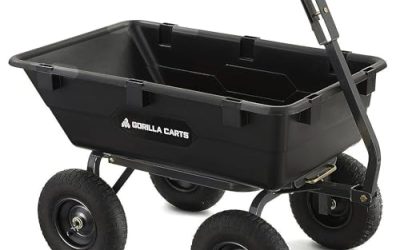
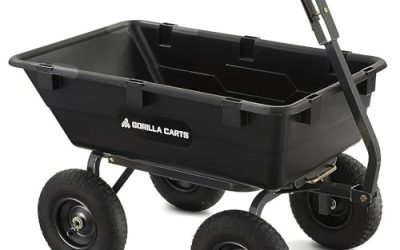
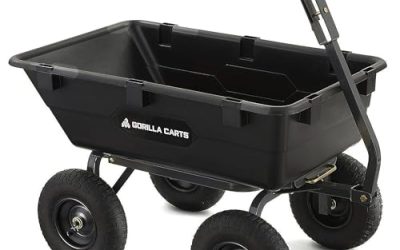
A garden cart, often called a yard cart or dump cart, is designed around density. It carries mulch, bricks, potted shrubs and tools. The bed is usually rigid, often steel or a thick poly tub, and many models tip or dump to unload. Wheels tend to be solid or pneumatic with a firm tread, because lawn and gravel punish soft materials, and the handle is set for pulling a heavy load at a steady walk.
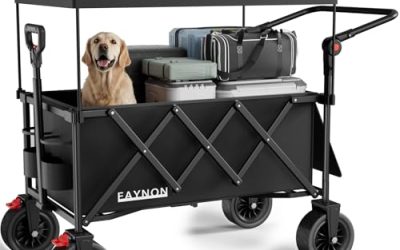
A beach wagon is designed around volume and soft ground. It carries chairs, umbrellas, coolers, towels and toys. The bed is a fabric sling on a folding frame, which collapses small for a car trunk. Its wheels are wide so they float over sand instead of digging in. Each design gives something up: garden carts rarely collapse small, and beach wagons rarely like dense, sharp loads that can tear or stretch the fabric.
Key Differences That Matter
The table below compares the two on the points that most often decide a purchase. It uses general categories rather than numbers, so check specific listings for exact figures before you buy.
| Feature | Garden cart | Beach wagon |
|---|---|---|
| Typical load | Dense and heavy | Light and bulky |
| Bed material | Steel or rigid poly | Fabric on a folding frame |
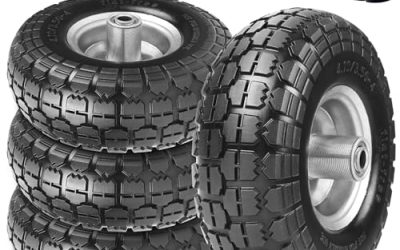
| Wheels | Narrower, firm tread | Wide, built to float on sand |
| Folding | Often fixed or partly folding | Usually collapses flat |
| Cleaning | Hose off dirt | Rinse salt and sand, dry fully |
| Best terrain | Lawn, gravel, paths | Sand, boardwalks, parking lots |
| Unloading | Often tips or dumps | Lift items out |
Matching the Cart to Your Terrain
Soft sand
Narrow wheels sink and make pulling tiring. For sand, look for wide, balloon-style wheels and a low center of gravity. If you want a single cart that also visits the beach, wide wheels are the feature to prioritize. A garden cart with narrow wheels will work on hard-packed sand near the waterline, but not on the soft dry stretch above the tide.
Lawn and gravel
On grass and gravel, a firm tire with a decent tread rolls more easily than a wide soft wheel. Gravel can chew fabric and soft plastic over time, so a rigid bed handles it better. Heavy wet loads and uneven ground make bed strength and frame stiffness more important than folding size, and a tilt or dump feature saves your back when emptying.
Mixed use around the yard and vacations
If one cart must do both, choose a folding utility wagon with wide wheels and a durable fabric or poly bed, and accept that it will be a compromise. It will move camping gear and potted plants adequately, but it may not match a dedicated dump cart for rock or a beach wagon for packed-down volume.
Storage and transport
If your car trunk is tight, a collapsible frame wins. A rigid garden cart lives in the shed or garage, so footprint matters less than bed strength. Think about how often you will lift the cart in and out of a vehicle before you choose, since a frame that is easy to lift empty is worth more than one with a slightly larger bed.
Weight, Capacity and Handle Design
Capacity figures should be read as ceilings, not goals. A cart rated for a heavy load is usually only comfortable at a fraction of it, especially when pulling uphill or across lawn. Garden loads can reach a weight that exceeds what a fabric-bed wagon is built for, so treat stated ratings carefully and spread dense items such as bags of soil evenly across the bed.
Handles matter more than most buyers expect. A long, padded handle that folds flat keeps your wrist neutral and stores neatly. Short, thin handles pinch hands when you pull a loaded cart. If you will turn corners often, consider whether the handle swings freely or locks in one position, and whether it lets you walk upright rather than hunching forward.
Durability, Weather and Care
Salt air and sand are tough on frames and bearings, while soil and moisture are tough on fabric. After a beach trip, rinse the frame and wheels with fresh water, let the fabric dry completely, and check for sand in the folding joints. After garden work, brush off soil and hose out the bed so wet dirt does not sit and corrode the metal.
Look at what the frame is made from. Powder-coated steel resists rust better than bare steel but can chip, and aluminum resists corrosion but may feel less rigid under heavy loads. For fabric beds, thicker weave and reinforced seams last longer than thin polyester. Budget models often cut corners with plastic hardware and thin fabric, so check these details before buying for 2026 use, and ignore marketing words that are not backed by a specific material or feature.
Safety and Ease of Use
Do not seat children or pets in a cart unless the maker states it is designed for that, and never stand on the bed. Heavy loads on a slope can run away, so keep one hand on the handle and consider a model with a parking brake or locking wheels if your yard or beach path slopes. Keep fingers clear of folding joints, which can pinch when the frame snaps shut.
Also think about who will pull the cart. A shorter adult may find a high handle awkward, and someone with a bad shoulder may prefer a lower, two-handed pull. If several people share the cart, an adjustable handle height is worth looking for.
Budget Tiers and Where Corners Get Cut
At the budget tier, expect thinner fabric, plastic fittings and bearings that gather grit. These carts can be fine for occasional light use, such as a few beach days a year or small garden jobs. Mid-range carts usually add sturdier frames, better wheels and reinforced seams, which matter once you load them regularly. Premium models tend to offer heavier steel or poly beds, larger tires, tilt mechanisms and replaceable parts.
Spend where it counts: wheels and the bed are the parts that wear first. A cheaper cart with good wheels often outlasts a pricier one with a flimsy axle, so inspect photos of the wheel hubs, the folding joints and the corner stitching before deciding.
Before You Buy
- List your three most common loads and their approximate weight.
- Decide whether you need to fold the cart to fit in a trunk.
- Check the wheel width and tread for your main terrain.
- Look for a bed material that matches sharp or wet loads.
- Confirm the handle height and padding for your height.
- Measure where you will store it.
Related guides
- Rolling Cart For Kitchen With Butcher Block Top
- Lightweight Folding Shopping Carts For Seniors
- How To Choose A Kitchen Cart Size And Top Material
Frequently Asked Questions
Can a garden cart go on the beach?
On packed, firm sand it can, but narrow wheels dig into soft sand and make pulling hard. If you plan regular beach trips, wide wheels are the better choice.
Can a beach wagon haul soil or rocks?
It is not ideal. Fabric beds can tear or sag under dense, sharp loads. For heavy materials, a rigid garden cart is a safer fit.
Which is easier to store?
Beach wagons usually collapse flat, so they are easier to store. Garden carts tend to take up more shed or garage space, though some have folding sides.
Do I need to own both?
Not necessarily. If your loads are light, a wide-wheeled folding wagon may cover both uses. If you move heavy materials regularly, a dedicated garden cart is worth having.
More from Amazon
Programs that pair well with the guide above. Offers and eligibility are set by Amazon and may change.
Free shipping on eligible items, Prime Video and more. Eligible new members can start with a free trial.
Start a Prime free trialAudiobooks and podcasts to listen to on the go. Eligible new members can start with a free trial.
Try Audible freeAd-free music streaming. Eligible new subscribers can start with a free trial.
Try Music Unlimited freeA free business account with business pricing and bulk-buying tools for work, shop or home office.
Create a business accountAs an Amazon Associate we earn from qualifying purchases.
Write Your Review
No reviews yet. Be the first to share your experience!