

Key takeaways
- Measure the folded dimensions against your car trunk, closet or hallway before buying.
- Distribute weight with heavy items at the bottom and near the axle; keep eggs and bread on top.
- Do not lean on the handle or use the cart to support your balance; carts are not mobility aids.
- If you use a cart on public transit, check that the folded size and wheel cluster fit the aisle space and step height.
- Wash removable fabric bags following the maker’s care label and dry them completely to avoid odors.
- Lubricate hinges lightly if they stiffen, but keep oil away from the bag and wheels where it might transfer to clothes.
- Stop using any cart with a bent frame or cracked wheel, because a failure under load can spill groceries or cause a fall.
For most grocery runs, a two-wheel folding trolley with a removable bag, such as the Rolser models or the Trolley Dolly XL, is the best match; a four-wheel folding cart suits people who dislike tilting loads, and a stair-climbing six-wheel design suits anyone facing steps every trip. The right cart depends on how far you walk, whether there are stairs, how heavy your typical haul is, and where the cart lives between trips.
Our top picks


As an Amazon Associate we earn from qualifying purchases at no extra cost to you.
Folding Grocery Carts at a Glance
| Cart | Best for | Key stated specs | Main limit |
|---|---|---|---|
| Rolser stair-climbing six-wheel trolley (I-Max and similar) | Walk-ups, buses and stairs | Three wheels per side so it rolls up steps; hook for hanging on a store cart; removable bag | Heavier and bulkier than basic carts |
| Rolser Big Polar two-wheel | Daily city shopping | Aluminum frame; maximum load listed at about 88 lb | Two wheels mean you tilt and pull |
| Trolley Dolly XL Stair Climber | Big hauls with organization | 200 lb rating; removable zippered bag with seven pockets and a beverage holder; comfort-grip handle | Larger folded size |
| dbest GoCart | Light, compact use | 100 lb rating; aluminum telescopic handle | Small bag for big weekly shops |
| Joovy Boot | Car-based shoppers | 70 lb rating; magnetic removable tote; undercarriage storage; one-hand fold; lifetime guarantee stated by the maker | Lower capacity |
| VersaCart Transit | Smooth rolling on sidewalks | Steel frame; double front swivel wheels; detachable water-resistant canvas bag with a fitted cover | Capacity not clearly stated in roundups |
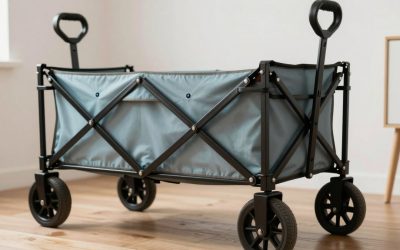
| Navatiee collapsible wagon | Bulk trips from the car | 220 lb rating; compact fold | Open wagon, no cover on basic versions |
| Pipishell folding cart | Budget, light weight | About 10 lb; three-height handle; front swivel wheels | Iron tube frame; lower comfort for long distances |
Specifications are as listed by makers and relayed by outlets such as The Kitchn and Yahoo Lifestyle roundups. One ranking site places Rolser first for 2026, but that site is affiliate-style, so the brand’s reputation is better judged by the longer-running comments from shoppers, many of whom describe Rolser as durable and easy to maneuver.
How to Choose
Two wheels, four wheels or six
Two-wheel trolleys are the lightest and the easiest to fold flat. You tilt the cart back and the weight rides on the axle, which feels light for the first block and heavier after that if the bag is full. Four-wheel carts and wagons carry weight on all corners, so you push or pull without lifting, but they take more space when folded. Six-wheel stair-climbers use a rotating wheel cluster that rolls up steps, and The Kitchn highlights the Rolser design in this role. If your building has no elevator, this is the category that saves effort.
Capacity and real weight
A cart rated for 100 pounds is rarely loaded to that limit with groceries. A full shop of canned goods, a gallon of milk and a bag of rice may weigh thirty to fifty pounds. Higher ratings such as 200 or 220 pounds mostly matter for heavy items like water cases and pet food. The frame and wheel quality matter more than the number; a stated rating on a thin frame is less reassuring than a lower rating on a sturdier build.
Bag design
Removable bags make it easier to carry groceries into the kitchen and to wash the bag. Water-resistant fabric helps with wet produce and rainy days. Zippered tops, such as on the Trolley Dolly, keep items from spilling on bumpy sidewalks, and pockets help separate cold items from the rest. If you buy frozen goods, a separate insulated bag inside the cart is a more reliable option than relying on the cart itself.
Handle height and comfort
Adjustable telescopic handles let taller and shorter users avoid hunching. The dbest and Pipishell carts both list adjustable handles. A padded grip becomes more important on longer walks.
Wheels and surface
Plastic wheels are quiet on smooth sidewalks but rattle over cracked pavement. Rubber or larger wheels roll over curbs and gravel more easily. Swivel front wheels, as on the Pipishell and VersaCart, make tight turns in store aisles easier. If your route includes cobbles or uneven ground, larger wheels matter more than a lighter frame.
Budget, Mid-Range and Premium Trade-offs
Budget
Generic folding utility carts appear in large numbers and are priced at the low end. They fold flat and work for occasional trips, but reviewers note mixed owner feedback, with complaints about thin axles, wobbly hinges and bags that tear under weight. If you shop weekly or carry heavy items, a budget cart may need replacing sooner.
Mid-range
Brands such as dbest, Trolley Dolly, Pipishell and Joovy sit here. You get sturdier frames, better bags and, in some cases, longer warranties. For most households, this tier balances weight, price and durability.
Premium
Rolser and a few European-style trolleys cost more but are built for years of daily use, with replaceable bags and robust wheels. Shoppers who walk to the market daily or need stair climbing tend to say the extra spend pays off over time.
Fit, Storage and Safety Notes
- Measure the folded dimensions against your car trunk, closet or hallway before buying.
- Distribute weight with heavy items at the bottom and near the axle; keep eggs and bread on top.
- Do not lean on the handle or use the cart to support your balance; carts are not mobility aids.
- If you use a cart on public transit, check that the folded size and wheel cluster fit the aisle space and step height.
- Wash removable fabric bags following the maker’s care label and dry them completely to avoid odors.
- Lubricate hinges lightly if they stiffen, but keep oil away from the bag and wheels where it might transfer to clothes.
- Stop using any cart with a bent frame or cracked wheel, because a failure under load can spill groceries or cause a fall.
Pick X If…
| If you… | Pick | Why |
|---|---|---|
| Climb stairs or ride buses every trip | Rolser stair-climbing trolley | Six-wheel design made for steps, with a hook for store carts |
| Carry big, heavy loads | Trolley Dolly XL or Navatiee wagon | High stated ratings and sizeable bags |
| Want one organized bag with pockets | Trolley Dolly XL | Seven pockets and a beverage holder |
| Need a light, compact option | dbest GoCart or Pipishell | Lower weight and a telescopic or adjustable handle |
| Shop by car and want a quick fold | Joovy Boot | One-hand fold and magnetic tote |
| Walk on sidewalks with smooth surfaces | VersaCart Transit | Double swivel front wheels and a covered canvas bag |
Matching a Cart to Your Routine
City walkers
If you buy groceries on foot every few days, a light two-wheel trolley with a removable bag is usually enough. You rarely carry more than two bags, and the trolley folds into a hallway closet. Look for larger wheels if your route crosses curbs, and a hooked or ledge-style design if you want to hang it on a store cart.
Apartment dwellers with stairs
Stairs change everything. A six-wheel stair-climber lets you roll the cart up each step instead of lifting it, which spares your back and keeps the load stable. These carts are larger and heavier, so confirm you can lift the empty cart if you must carry it through a door or over a landing.
Drivers who park in a lot
A fold-flat wagon or a compact four-wheel cart makes sense here. You move items from the trunk to the door in one trip and fold the cart back into the car. Weight rating and trunk fit count more than stair-climbing ability.
Households that buy in bulk
Large families and bulk shoppers should favor high stated ratings such as the Navatiee at 220 pounds or the Trolley Dolly XL at 200 pounds. Water cases, pet food and laundry detergent are heavy, so a sturdy frame and larger wheels are worth the extra weight and storage space.
Older shoppers and those with limited strength
A lightweight cart that is easy to fold, with a comfortable grip and adjustable handle, helps reduce strain. Avoid heavy models you cannot lift into a car. If balance or mobility is a concern, talk to a healthcare professional about suitable aids, because a shopping cart is not a walker.
Common Problems and How to Avoid Them
- Overloading the bag so wheels scrape the frame; keep loads within the rating and below the top of the frame.
- Putting heavy items on top, which makes a two-wheel trolley tip when you stop.
- Ignoring wheel wear; flat or cracked wheels increase effort and can cause the cart to veer.
- Skipping the folding locks; make sure the latch clicks before you roll the cart.
- Storing a damp bag; mildew can set in quickly, so dry the bag before folding.
Alternatives Worth Considering
- Goplus Jumbo double-basket cart: Offers a second basket for a purse, jacket or umbrella, as noted in The Kitchn’s roundup.
- HULKEN foldable rolling bag: A bag-style cart that reviewers say rolls smoothly when full and suits longer walks.
- dbest Ultra Compact Cooler cart: A four-gallon insulated option with pockets for those who need cold storage on short trips.
Frequently Asked Questions
What is the best size for a folding grocery cart?
Match the bag volume to your usual shop rather than the largest size available. A medium cart that holds two to three grocery bags is enough for most households, while a larger wagon suits families and bulk buyers. A bigger cart is harder to store and heavier when empty.
Are stair-climbing carts worth it?
If you face steps regularly, yes. The six-wheel design rolls up stairs rather than bumping on each one, which reduces effort. If you have a flat entrance and drive to the store, a simpler two-wheel or four-wheel cart will be lighter and cheaper.
How much weight can a folding cart handle?
Makers list limits from about 70 pounds for the Joovy Boot to 220 pounds for the Navatiee wagon. Rolser lists about 88 pounds for the Big Polar. Real groceries seldom exceed fifty pounds, but a higher rating usually signals a sturdier frame.
Can I use a folding cart on public transit?
Many people do, but allowed sizes depend on the transit operator. A two-wheel trolley that folds slim is easier to manage than a wide wagon. Keep the cart out of aisles and doors, and follow the operator’s guidance on bags and luggage.
How do I clean the bag?
Remove it from the frame if the design allows and follow the maker’s care label. Most fabric bags can be hand-washed or wiped down with mild soap. Air-dry before reattaching to reduce mildew.
Do folding carts work in the rain?
Water-resistant canvas, such as on the VersaCart Transit, helps, and a fitted cover protects contents. No folding cart is fully waterproof at the seams, so wrap paper bags and electronics in plastic during heavy rain.




Write Your Review
No reviews yet. Be the first to share your experience!